

Everyone wants a brighter smile. RIGHT?
Maybe your teeth have become darker over the years. Maybe coffee, tea, soda, red wine, or certain foods have left behind stains. Or maybe you simply want your smile to look a little brighter before an important event.
That is where teeth whitening comes in.
But with so many whitening toothpastes, strips, pens, gels, LED kits, and social media "hacks" available, it can be difficult to know what actually works.
So, what really works?
The answer depends on the type of discoloration you have, the condition of your teeth, and the whitening method you choose.
Why Your Teeth Change Color?
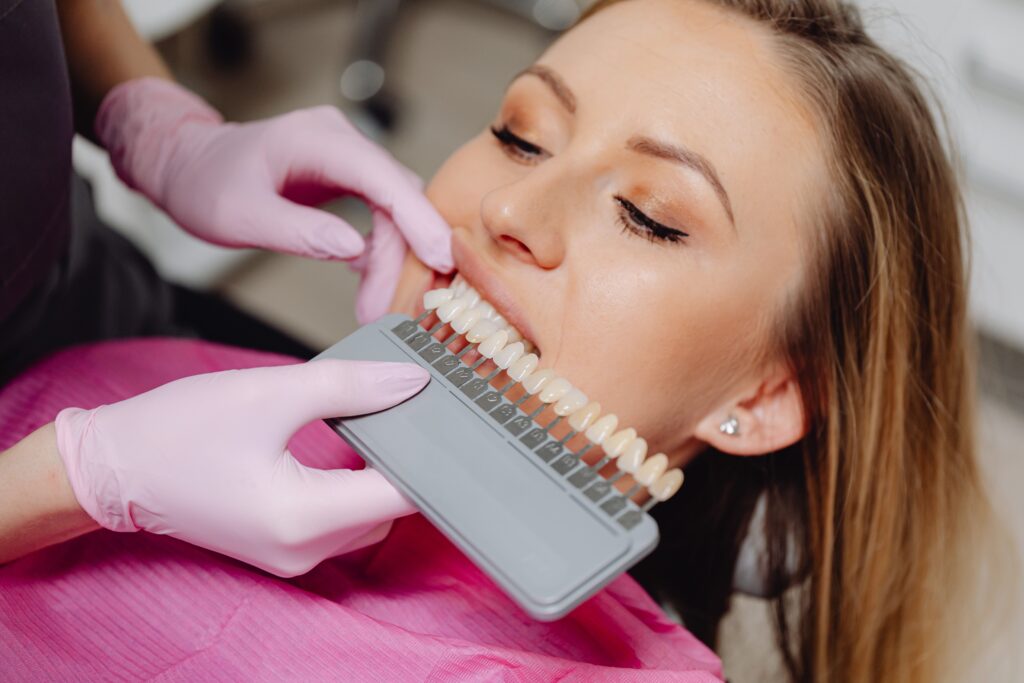
Some discoloration happens on the outside of the tooth. This is called extrinsic staining and is commonly caused by things like:
- Coffee
- Tea
- Red wine
- Soda
- Tobacco
- Dark-colored foods
- Plaque buildup
Other discoloration occurs inside the tooth. This is called intrinsic staining and can be more difficult to whiten.
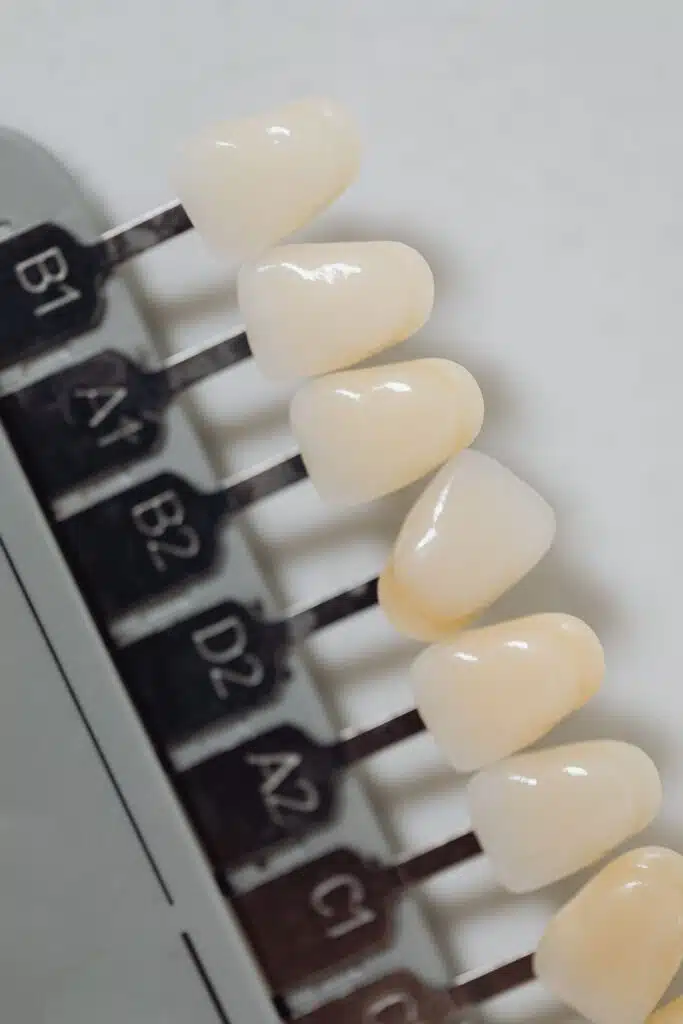
As you get older, enamel naturally becomes thinner. The layer underneath, called dentin, has a naturally yellowish color. As more dentin becomes visible through thinner enamel, your teeth can appear darker or more yellow.
This means that simply brushing harder will not necessarily make your teeth whiter.
If the discoloration is inside the tooth, you may need a professional whitening approach rather than just a stronger toothpaste.
A regular dental cleaning can also help remove surface buildup and stains before whitening, giving you a cleaner starting point.
Whitening Toothpaste: Does It Actually Work?
Yes, but there is an important catch.
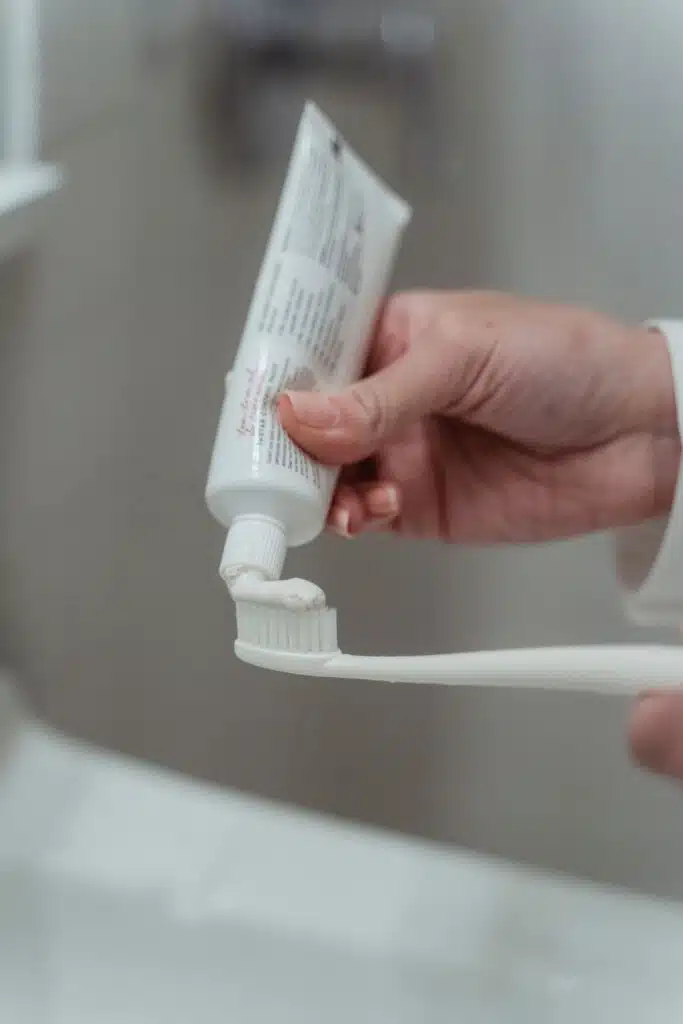
Whitening toothpaste can help remove some surface stains, especially stains caused by coffee, tea, and certain foods.
However, most whitening toothpastes do not dramatically change the natural color of your teeth.
Whitening toothpaste can be useful for maintaining a brighter smile, but don't expect it to turn naturally yellowish teeth several shades whiter. Remember: Brushing aggressively can irritate your gums and contribute to enamel wear over time.
Why Brushing Alone Is Not Enough
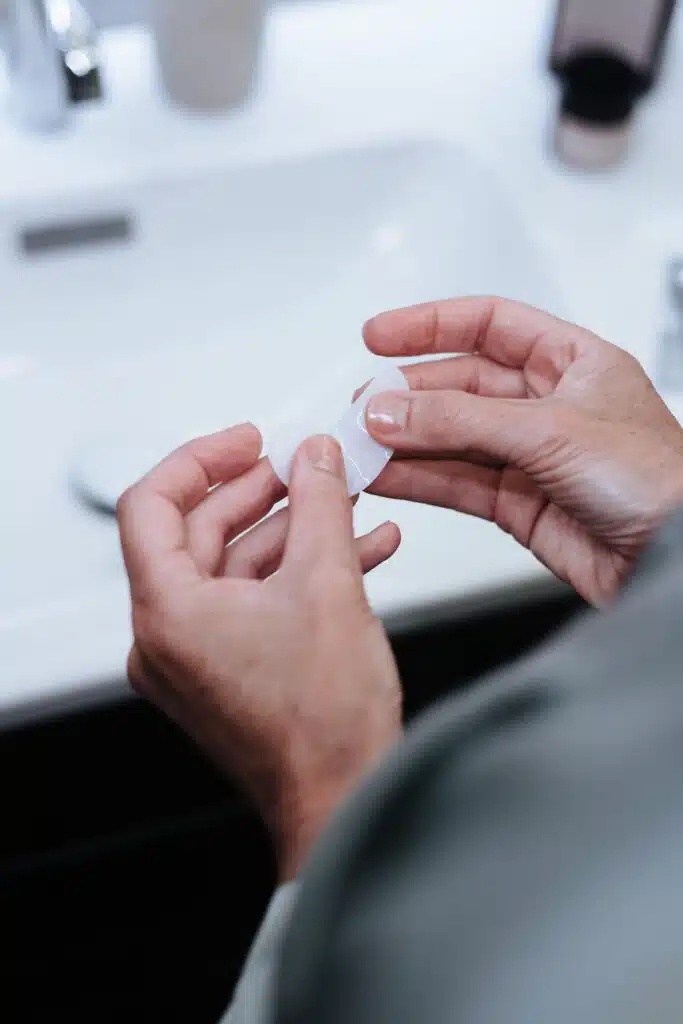
Whitening strips are one of the most popular at-home whitening options.
They typically contain a peroxide-based whitening ingredient that can penetrate the tooth and help break down certain stains.
For many people, whitening strips can produce a noticeable improvement. However, results vary.
The concentration of the whitening ingredient, how frequently you use the product.
If your teeth are already sensitive, have untreated cavities, or have damaged enamel, don't assume that stronger whitening is the answer. It's better to have your teeth evaluated first.
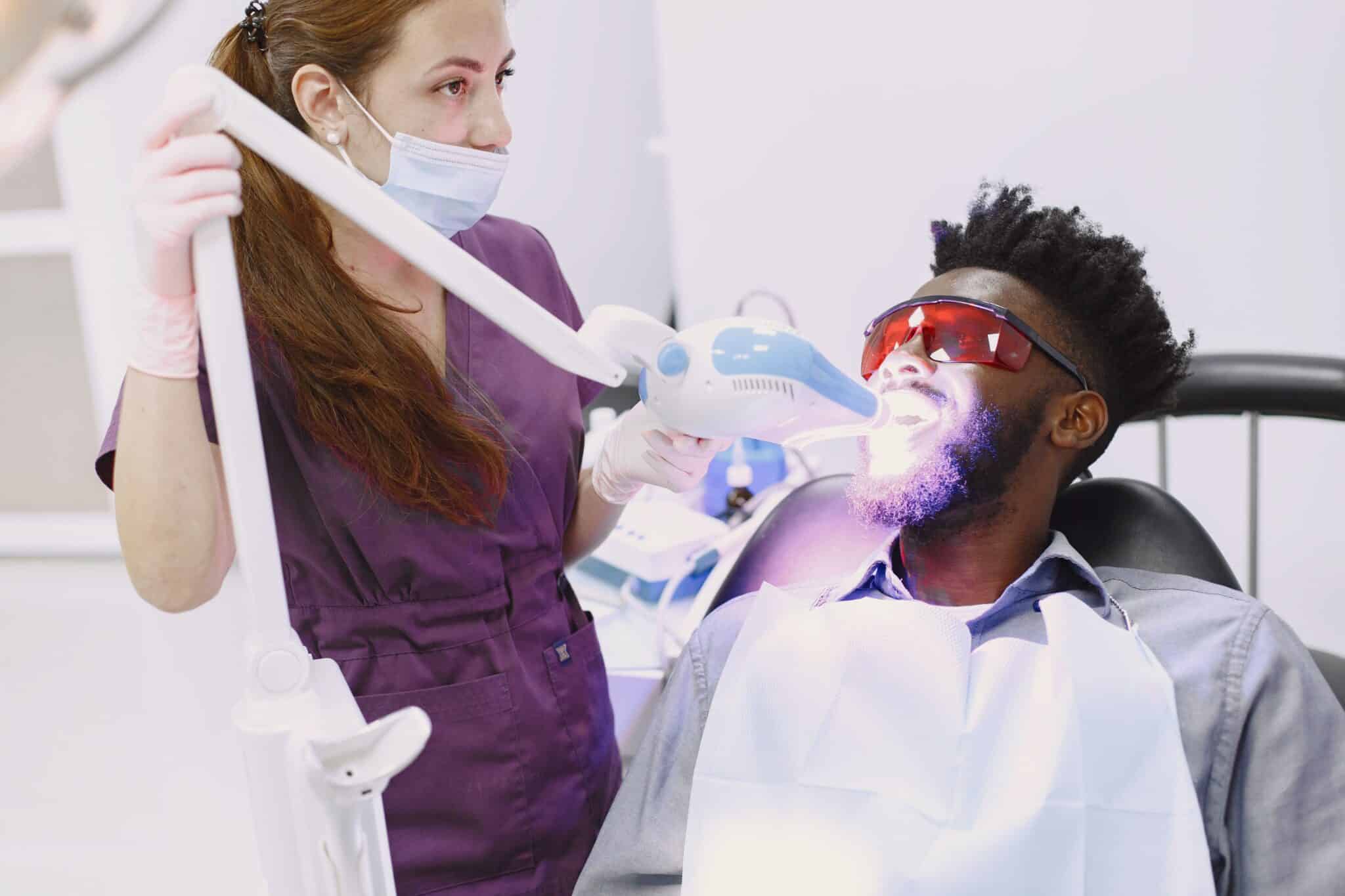
Professional Whitening: What's Different?
| What Happens Before Whitening | Why It Matters |
|---|---|
| Your teeth are examined | Your dentist checks whether whitening is appropriate for your smile. |
| Cavities are checked | Whitening a tooth with untreated decay can cause significant sensitivity. |
| Cracks are evaluated | Damaged teeth may react poorly to whitening products. |
| Your gums are examined | Inflamed or unhealthy gums may need attention before whitening. |
| Enamel condition is checked | Worn enamel can make teeth more sensitive during whitening. |
| Existing restorations are identified | Crowns, fillings, and other restorations may not whiten like natural teeth. |
| Your type of staining is considered | Surface stains and deeper discoloration may require different approaches. |
| A whitening plan is recommended | Your dentist can help determine which option makes sense for your teeth and goals. |
Do Natural Whitening Hacks Actually Work?
Social media is full of DIY whitening suggestions involving ingredients such as lemon juice, vinegar, charcoal, baking soda mixtures, and other household products.
Just because something is "natural" does not mean it is safe for your teeth.
Acidic ingredients such as lemon juice and vinegar can damage enamel when used improperly. Abrasive substances can also wear down the tooth surface if used aggressively.
And here's the problem: Enamel does not grow back.
Once enamel is significantly worn away, you cannot simply replace it by brushing with another homemade mixture. When it comes to whitening, more aggressive does not mean more effective.
What Happens Before Professional Whitening?
| What Your Dentist Checks | Why It Matters |
|---|---|
| Cavities | Untreated decay can make whitening painful or increase sensitivity. |
| Cracks | Damaged teeth may react poorly to whitening products. |
| Gum health | Irritated or unhealthy gums may need treatment first. |
| Enamel condition | Worn enamel can increase sensitivity during whitening. |
| Existing dental work | Crowns, fillings, and other restorations may not whiten like natural teeth. |
| Type of staining | Surface stains and deeper discoloration may require different approaches. |
| Your whitening goals | Your dentist can recommend an option that fits your smile and expected results. |
If you have an untreated dental problem, whitening may need to wait until your teeth are healthy enough for treatment. A professional evaluation through general and cosmetic dentistry

How Can You Keep Your Teeth White After Whitening?
Watch Your Staining Habits
Brush Twice a Day
Floss Daily
Drink Water
Keep Up With Cleanings
Follow Your Dentist's Recommendations
If you've had professional whitening, ask your dental team how often maintenance whitening is appropriate for you. Professional preventative dentistry can help remove plaque and tartar that regular brushing cannot completely eliminate.
So What Actually Works?
If you've made it this far, let's make it simple.
Here is how the most common options compare:
| Whitening Method | What It Can Do | What to Expect |
|---|---|---|
| Whitening Toothpaste | Removes some surface stains | Mild brightening and maintenance |
| Whitening Strips | Can lighten certain stains | Noticeable results for some people |
| Whitening Pens | Helps with minor staining or maintenance | Limited whitening compared with professional treatment |
| LED Kits | Usually work alongside a whitening gel | Results depend more on the whitening ingredient than the light |
| Professional Whitening | Targets deeper tooth discoloration | More controlled and potentially more noticeable results |
| DIY Acidic or Abrasive Hacks | May temporarily change surface appearance | Can damage enamel or irritate gums |
The biggest takeaway?
There is no magic whitening shortcut.
The best approach depends on why your teeth are discolored in the first place.
Final Thoughts: A Whiter Smile Starts With Healthy Teeth
Teeth whitening can be an effective way to brighten your smile, but not every whitening method works the same way.
Whitening toothpaste can help with surface stains. Whitening strips can produce more noticeable changes for some people. Professional whitening can provide a more controlled approach when a larger change is desired.
But viral DIY tricks, aggressive brushing, and unrealistic whitening promises aren't worth risking your enamel.
Have questions about whitening or ready to brighten your smile?
The best whitening treatment is the one that improves your smile without compromising your oral health.
Have questions or ready to book your next visit?
Contact us today—we'll help you identify the cause and get your breath fresh again.