

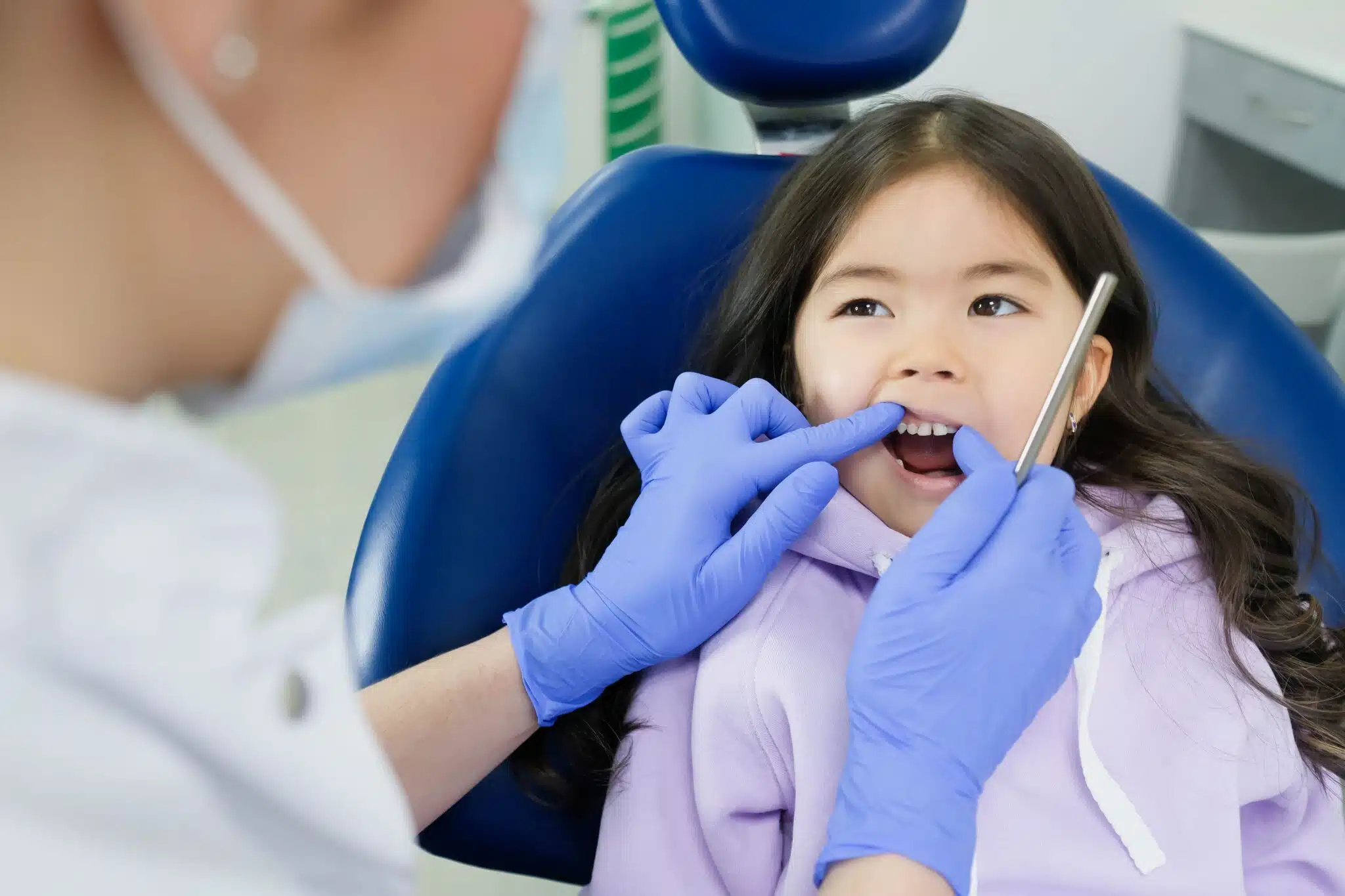
So... do kids really need to go to the dentist that often?
The short answer is yes.
A child's teeth can look perfectly fine while cavities, enamel problems, gum irritation, or developing bite issues are already starting. Children also have different dental needs as their mouths grow, which is why dental visits are about much more than simply looking for cavities.
In fact, Family Smiles recommends that children start seeing a dentist as soon as their first tooth erupts. Early visits help children become comfortable with dental care while allowing the dental team to monitor how their teeth are developing.
So WHY does it REALLY MATTER?
Let's discover it!
Baby Teeth Are More Important Than You Might Think
VERY IMPORTANT: One of the biggest misconceptions parents have is that baby teeth do not matter because they are eventually going to fall out.
But baby teeth have important jobs.
Family Smiles specifically notes that baby teeth are important for speech and eating, and that cavities in baby teeth should generally be treated rather than simply ignored.
When a baby tooth develops a cavity, the decay can continue getting deeper. In some cases, untreated decay can lead to pain or infection before the tooth is naturally ready to fall out.
That is why "It's just a baby tooth" is not a good reason to skip treatment.

What Can a Dentist See That You Can't?
As your child's permanent teeth begin replacing baby teeth, regular dental visits become especially important. A dentist can monitor how the smile is developing instead of waiting until a problem becomes obvious. Dental X-rays may be recommended when they can provide information that a visual examination cannot.
| What You Can See at Home | What a Dentist Can Check |
|---|---|
| Teeth that look clean | Hidden cavities between teeth or below the surface |
| Teeth that appear straight | How the bite and jaw are developing |
| Baby teeth that look normal | Whether permanent teeth are developing and erupting properly |
| No visible problems | Early changes that may not be noticeable yet |
| What you can see in the mirror | Dental X-rays when needed to see below the surface |
Kids Are Still Learning How to Brush Properly
Your child may proudly tell you, "I brushed my teeth!" That is great.
But did they actually clean every surface?
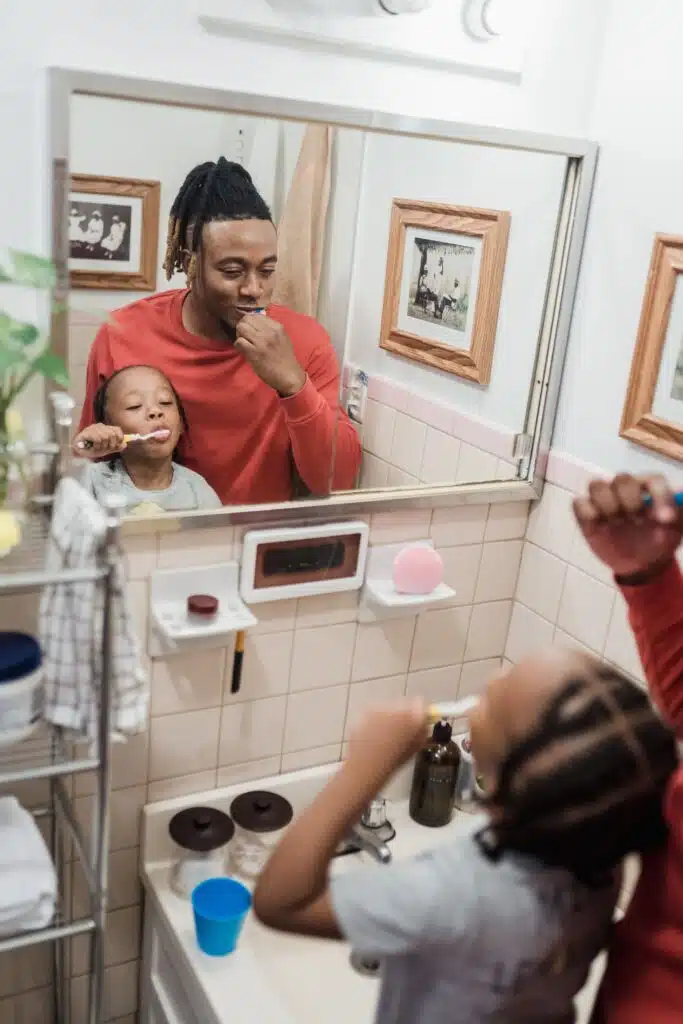
Young children are still developing the coordination needed to brush thoroughly. They may brush the front teeth but miss the back molars. They may spend five seconds brushing instead of two minutes.
Family Smiles' pediatric dentistry services include teaching children proper brushing and flossing habits and identifying areas they may not be reaching properly.
Parents may need to supervise or even do some of the brushing themselves until the child has enough coordination to consistently clean their teeth well.
Dental Visits Help Kids Become Comfortable With the Dentist
If a child's first dental experience happens because they have a painful tooth and urgently need treatment, they may associate the dentist with pain, fear, and stressful situations.
Family Smiles specifically emphasizes creating a comfortable experience for children and helping them develop positive oral hygiene habits from an early age. This can make future appointments feel much more normal.
Parents can help, too. Instead of saying things like "Don't be scared" or "It won't hurt," try speaking positively about the appointment. Let your child see you go through your own routine dental visits.
The Dentist Watches How Your Child's Teeth Are Growing
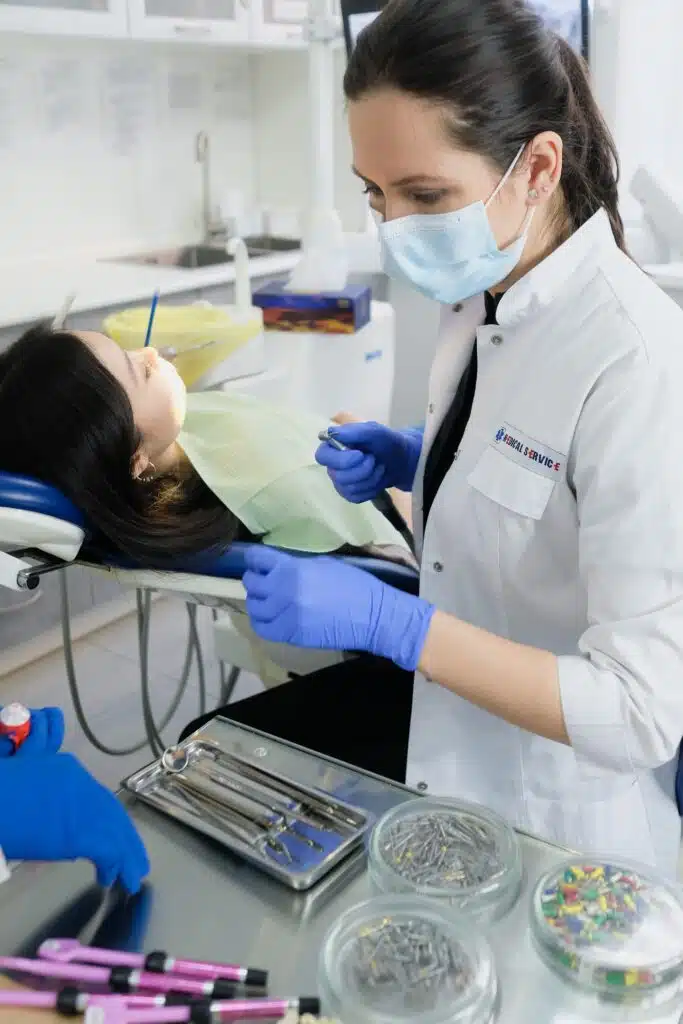
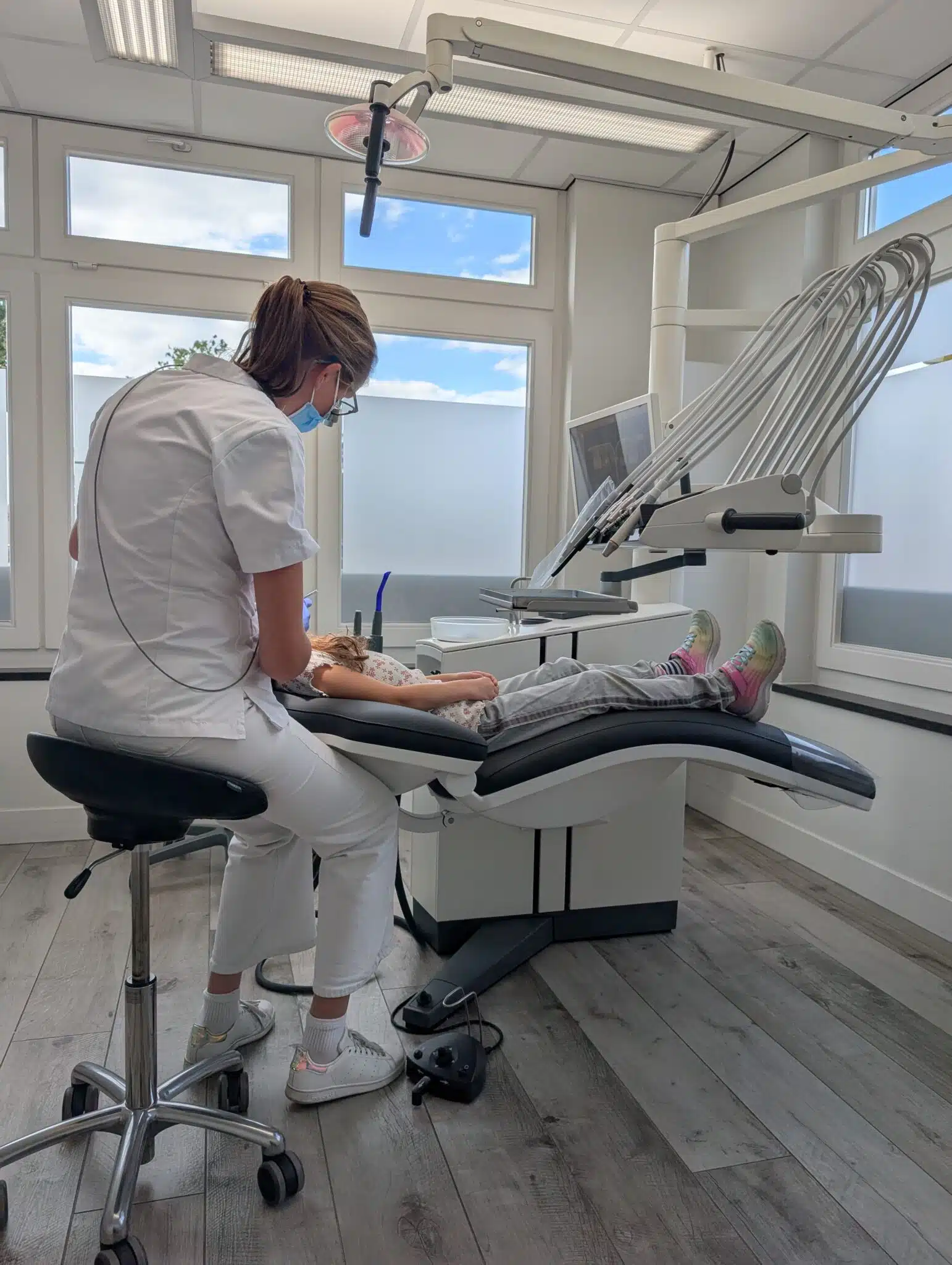
Children's mouths change quickly. Baby teeth fall out. Permanent teeth begin erupting. The jaw grows. Teeth can become crowded or come in at unusual angles.
A dental visit gives the dentist an opportunity to monitor these changes over time. Sometimes a child may simply need to be watched as their teeth develop. Family Smiles offers orthodontics and clear aligners for patients who need help improving tooth alignment and their bite.
What Happens During a Child's Dental Visit?
| Part of the Visit | What Happens |
|---|---|
| Examination | The dentist checks the teeth, gums, bite, and overall oral health. |
| Cleaning | Plaque and buildup are removed from areas brushing may miss. |
| X-rays | Used when appropriate to monitor development or identify hidden problems. |
| Fluoride | May be applied to provide additional protection against decay. |
| Oral hygiene guidance | The team can show your child better brushing and flossing techniques. |
| Parent discussion | You can ask questions about cavities, diet, habits, or your child's development. |
What If My Child Is Afraid of the Dentist?
This is extremely common.
Some children are nervous about unfamiliar environments, strange sounds, or simply not knowing what will happen.
The answer is not to avoid the dentist indefinitely.
Instead, help your child become familiar with the experience. You can talk about the dentist positively, read children's books about dental visits, and let your child see you receive a cleaning.
Family Smiles also notes that its team works to make children comfortable, and sedation dentistry may be available when appropriate for children who are particularly anxious about treatment.
And remember: being nervous does not mean your child cannot have a successful dental visit.
The Biggest Mistake Parents Can Make
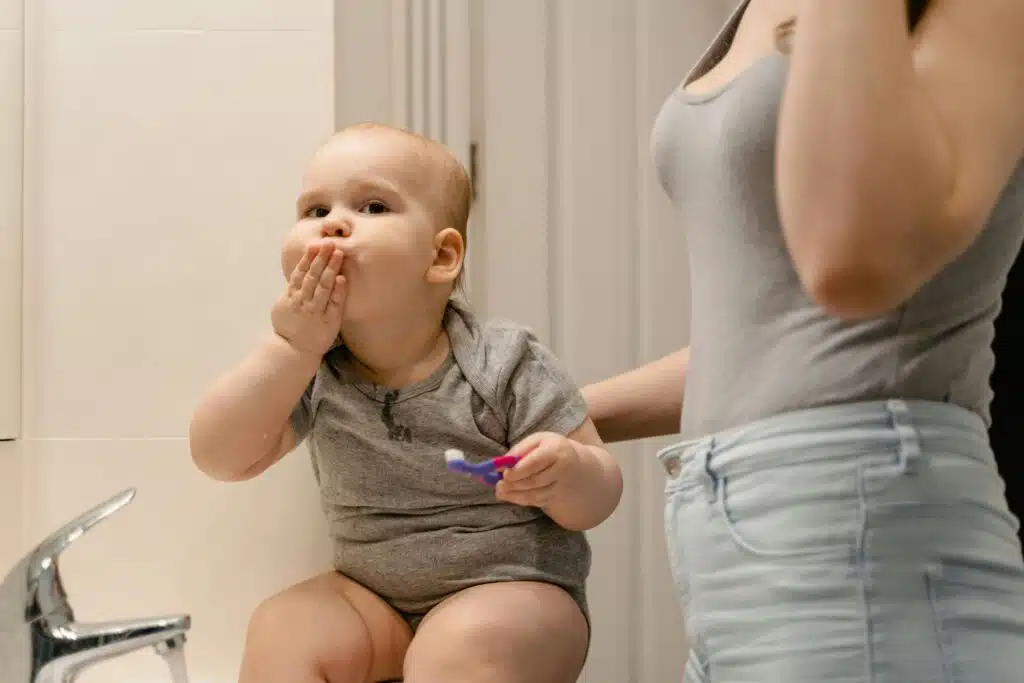
The biggest mistake is waiting for pain.
A child does not need to have a toothache before seeing the dentist.
In fact, regular visits are specifically designed to help identify problems before they become painful.
A small cavity can be easier to manage than advanced decay. Early gum irritation can be addressed before it becomes a larger concern. Developing alignment issues can be monitored before they become more complicated.
That is why preventive care is not an extra. It is part of protecting your child's smile.
And if your child has not been to the dentist recently, there is no reason to feel guilty.
Start from where you are.
Schedule the visit, ask questions, and let the dental team help you figure out what your child actually needs.
Final Thoughts: Yes, Kids Really Do Need the Dentist
Your child's teeth may look healthy. They may brush every morning and night. They may not complain about pain. That still does not mean dental visits are unnecessary.
Children's mouths are constantly changing, and regular dental care helps monitor those changes, prevent cavities, reinforce good habits, and catch problems before they become bigger ones. Family Smiles recommends starting dental visits when the first tooth appears and continuing regular examinations and cleanings as children grow.
The goal is not to wait for something to go wrong. It is to help your child grow up with healthy teeth, good habits, and a positive relationship with dental care.
Have questions or ready to book your next visit?
Contact us today—we'll help you identify the cause and get your breath fresh again.