

The question isn’t whether your child can enjoy holiday candy; it’s how to enjoy it without hurting their teeth.
You have to know what candies are hardest on enamel, how sugar and acids really cause cavities, smart swaps that still feel festive, and a practical “holiday candy plan” your family can use right away.
We are going straight to the point, no jargon, just clear answers.


The Real Problem Isn’t Just Sugar, IT’S THE TIME ON TEETH
Remember: Cavities form when mouth bacteria digest sugars and release acids that dissolve enamel. If this happens all day long, a peppermint here, a cookie there, teeth spend hours in an acidic zone.
Key idea: It’s the frequency of sugar exposure, not just the amount, that drives decay.
If your child hasn’t had a professional cleaning recently, schedule seasonal checkups and cleanings to remove plaque and tartar that trap sugars near the gums.
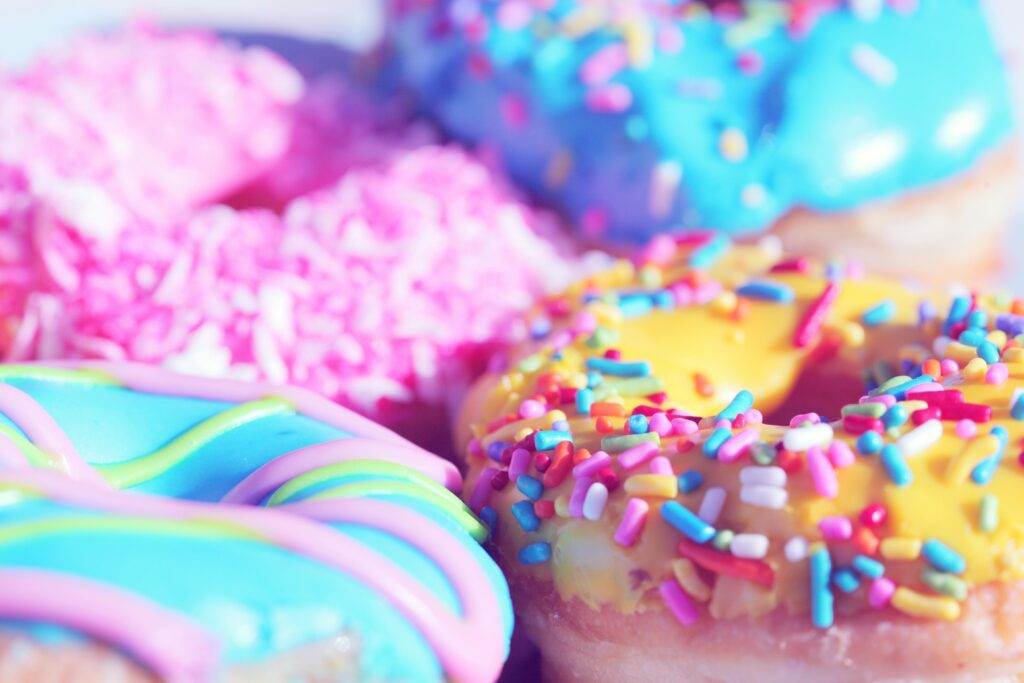

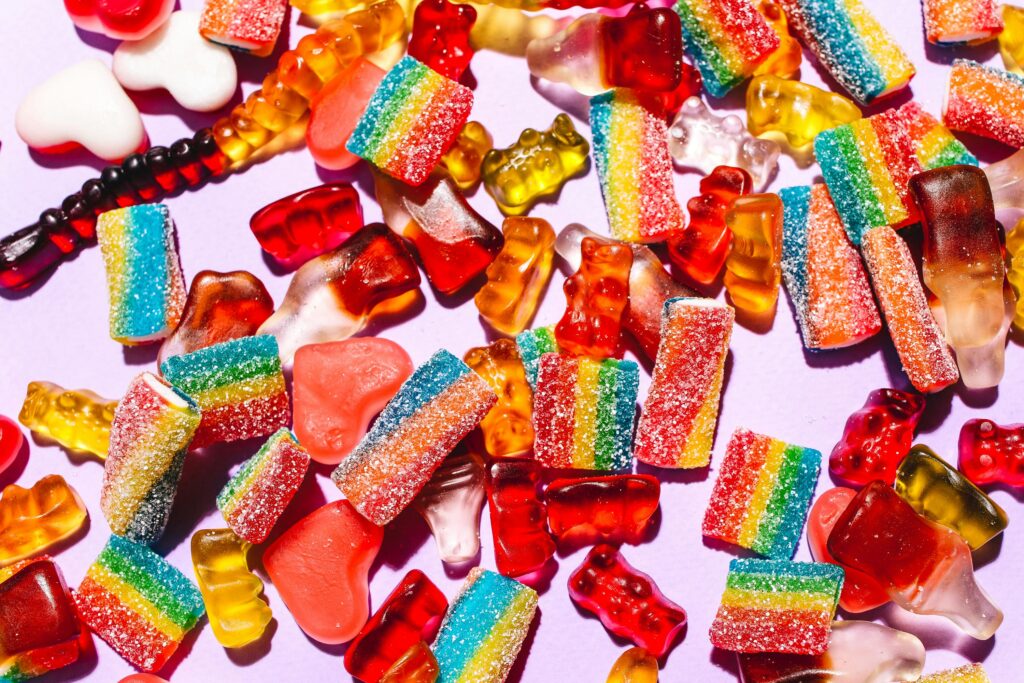
Holiday Candies Ranked: From “Safer” to “Sneakiest”
| Holiday treat (best ➜ worst) | Why it harms teeth (short reason) |
| 1) Plain Chocolate (Better Choice) | Melts and rinses away quickly—less “time on teeth,” lower cavity risk. |
| 2) Candy Canes & Hard Candies (High Risk) | Long sugar exposure while sucking; biting can chip or crack teeth. |
| 3) Popcorn Balls & Nut Brittles (High Risk) | Hard/sticky; wedges under gums and can break fillings or enamel. |
| 4) Caramels, Taffy & Gooey Cookies (Very High Risk) | Sticky sugars pack into grooves for hours, feeding decay. |
| 5) Sour Gummies & Tangy Candies (Very High Risk) | Acid softens enamel, then sugar fuels bacteria—double damage. |
What About Children With Braces or Aligners?
Braces add brackets and wires—perfect places for sticky foods to hide. Caramels, taffy, and hard candies can bend wires or pop brackets, delaying treatment and increasing decay risk. If your child is in active orthodontic care, review the “no-chew, no-stick” list from your orthodontics and clear aligners team and keep sugar exposures short and with meals. Clear aligner wearers should remove trays, rinse them, and brush before reinserting after sweets.

Powerful, Simple Habits that Protect Enamel During the Holidays
- Treats with meals, not between. Mealtime saliva helps neutralize acids.
- Water is your follow-up. Have kids swish and swallow after dessert.
- Two minutes, twice daily. Brushing with a fluoride toothpaste morning and night is non-negotiable.
- Floss before bed. Nighttime flossing clears the day’s buildup from between teeth.
- Wait to brush after sour foods. Rinse, then brush 30 minutes later.
- Don’t share toothbrushes. Holiday travel makes this more likely; keep a spare in each bag.
- Schedule a winter cleaning. A quick seasonal preventive visit removes tartar and adds professional fluoride if needed.

Special Considerations for Younger Children
Baby teeth have thinner enamel, so decay spreads faster. Double rows (“shark teeth”), tight spacing, or mouth breathing at night can also raise risk. Early and consistent pediatric dentistry visits help spot trouble before it hurts, coach better brushing, and place sealants on molars when appropriate.
If your child reports a “zing” with cold sweets or you notice dark spots, do not wait. Small cavities often need a quick, minimally invasive filling.
When Candy Causes a Problem: What to Watch For
- Persistent sensitivity to cold or sweets in a single tooth
- Food catching between the same two teeth
- A chip or sharp edge after biting a hard candy
- Bleeding gums that don’t improve after a week of careful brushing and flossing
If you see any of these signs—act now. Early attention often means a tiny filling or quick smoothing; waiting can escalate to larger restorations like a crown. If crowding makes cleaning impossible between certain teeth, an evaluation for clear aligners can improve hygiene access and reduce future cavities.
Frequently Asked Holiday Questions
Is sugar-free candy okay?
Sugar-free can be better—especially xylitol mints or gum, which stimulate saliva. But sticky, acidic “sugar-free” treats can still harm enamel. Keep the treat window rule.
Can we do hot cocoa every night?
Frequent sipping is the problem. Enjoy cocoa with dinner, not while watching a two-hour movie.
My child wears a retainer. Any special care?
Yes. Rinse retainers after sweets and clean daily. Appliances collect biofilm that causes odors. Your hygienist can review appliance care at the next preventive visit.
What if a baby tooth cracks on something hard?
Call for guidance. Many cracks are minor and smoothable; others need protective coverage within general & cosmetic dentistry.
Final Thoughts: Holiday Magic, Healthy Smiles
Christmas candy doesn’t have to mean cavities. Keep sugar exposures short, add water and brushing at the right times, and use the “treat window” plan to protect enamel without killing the fun.
For kids with braces or tighter spacing, a few guardrails now can save months of treatment later.
Have questions or ready to book your next visit?
Contact us today—we'll help you identify the cause and get your breath fresh again.