

Cavities don’t just “happen.” They form when acid-producing bacteria feast on sugars left on your teeth, dissolving enamel a little at a time.
The good news: with a few consistent habits and the right help from your dental team, most cavities are preventable.
1) Win the Daily Basics: Brush, Floss, Rinse (the Right Way)
Twice-a-day brushing and once-a-day flossing are still the backbone of cavity prevention if the technique and timing are right.
- Brush for two full minutes with a soft-bristle brush and fluoride toothpaste. Angle the bristles 45° toward the gumline; use short, gentle strokes.
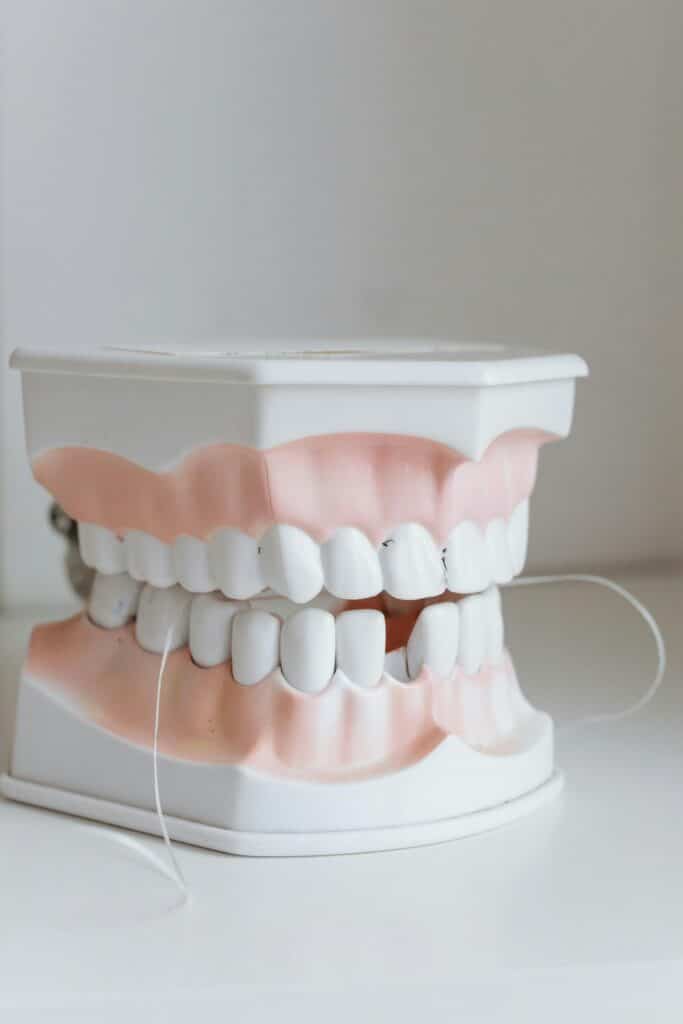
- Floss before bed, when bacteria would otherwise work overnight. Glide the floss under the gumline and hug each tooth in a “C” shape.
- If you’re rushing in the morning, move one brushing session to after dinner so you finish the day with clean teeth.

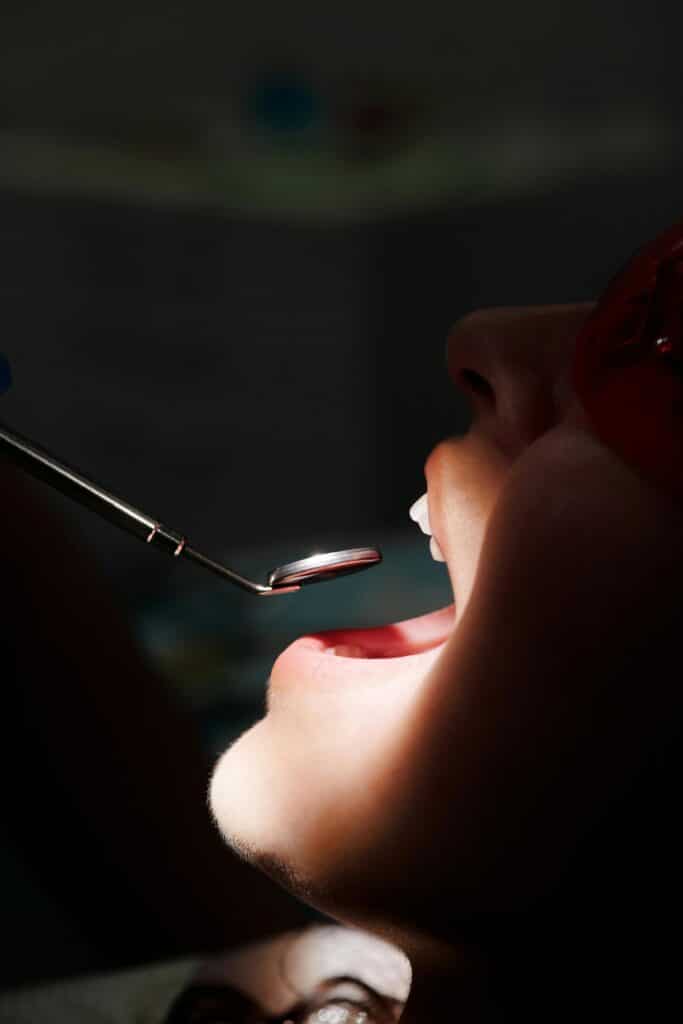
Professional cleanings remove tartar your brush can’t touch and let clinicians spot early decay before it hurts. Make checkups and cleanings a twice-yearly habit.
2) Use Fluoride (Smartly)
Fluoride strengthens enamel and helps reverse early demineralization. A pea-sized amount on your brush is enough for adults and older kids; for younger children, use a rice-sized smear and supervise to prevent swallowing. If you’re prone to cavities or have sensitive roots, ask about fluoride varnish during your next preventive visit.
3) Change the Cadence, Not Just the Menu
It’s not only what you eat, it’s how often. Every sip of soda, sweet coffee, juice, or sports drink triggers a 20–30 minute acid cycle. All-day sipping or grazing keeps your mouth in the danger zone.
Save sweets and acidic drinks for mealtimes.

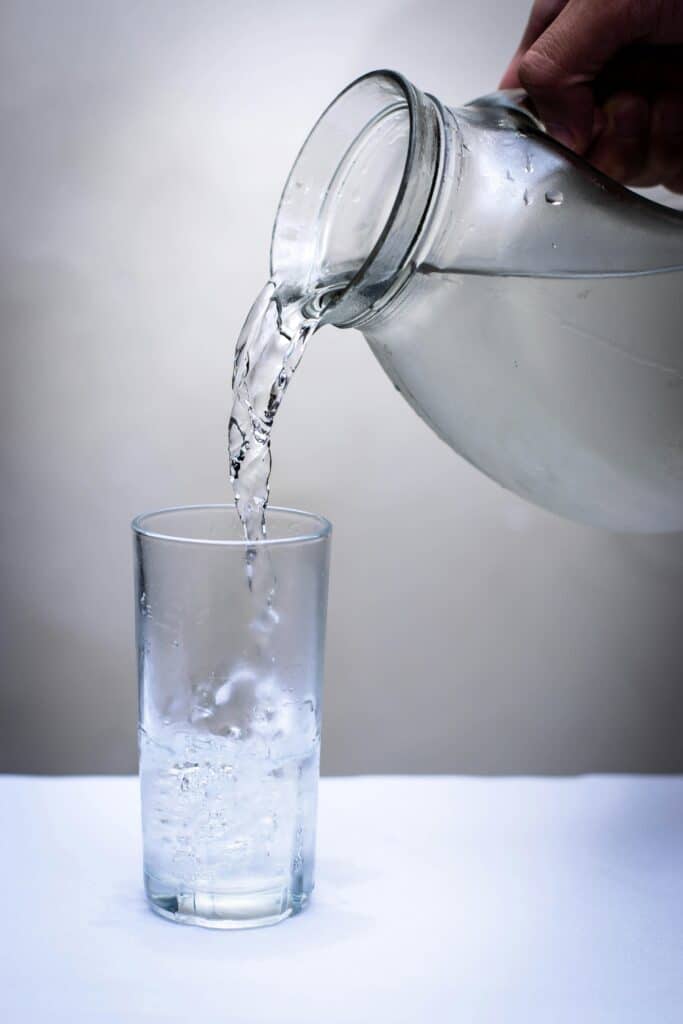
Between meals, drink water.
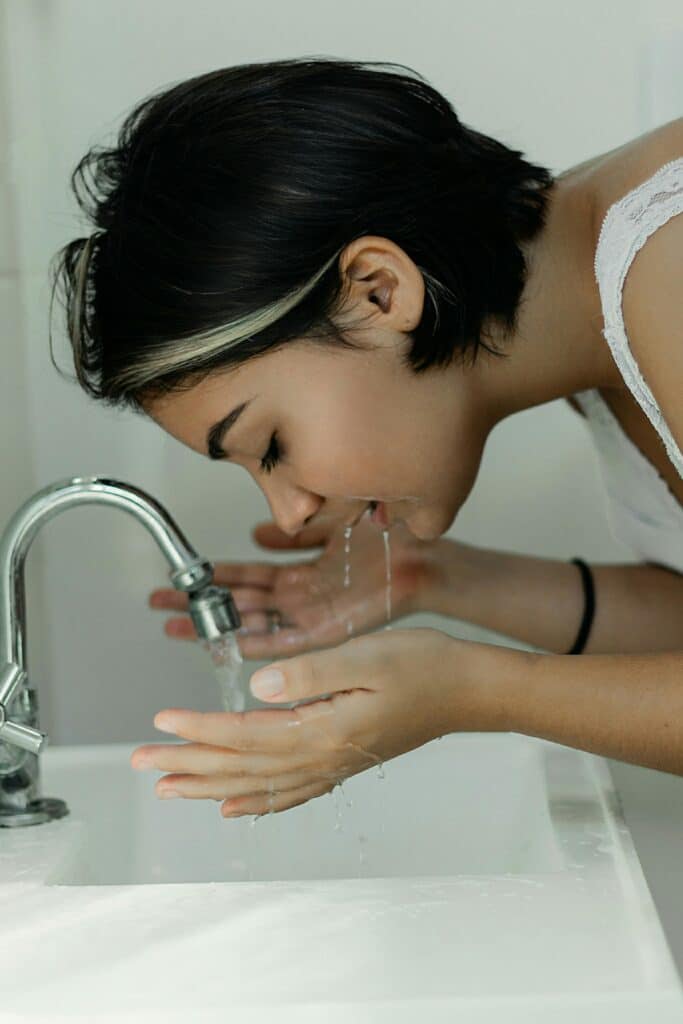
Rinse with water immediately after dessert; wait 30 minutes before brushing if the food was sour or acidic.
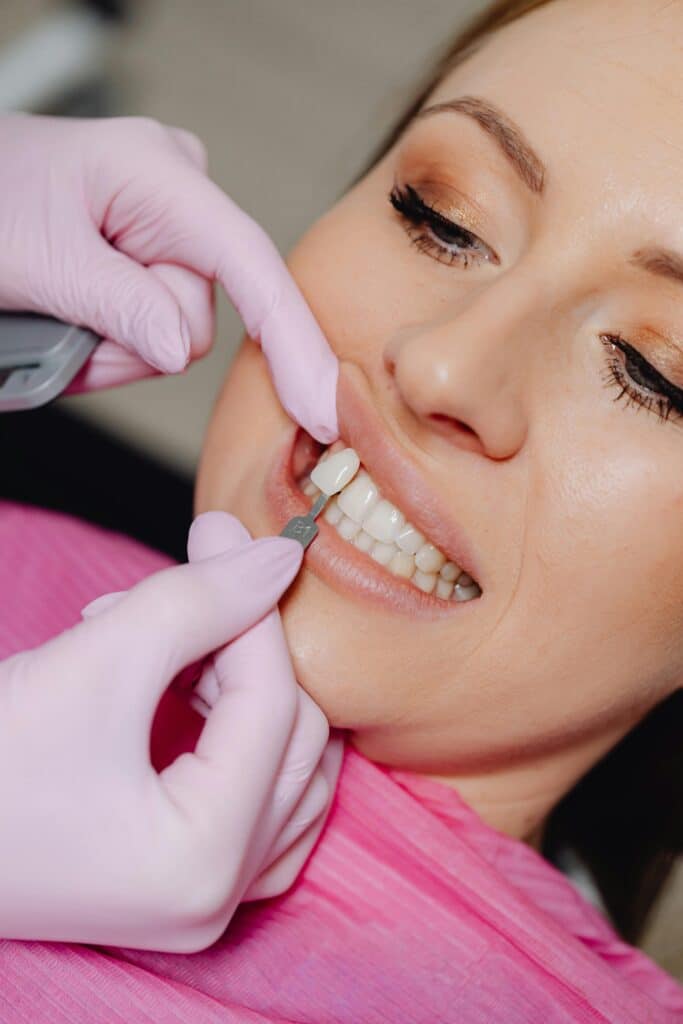
If stains from coffee or tea linger after you’ve dialed in prevention, you can brighten safely with professional teeth whitening once your cleaning is up to date.
4) Seal the Grooves That Trap Decay
Molars have deep pits and fissures where food and bacteria hide. Sealants act like raincoats over those grooves, blocking plaque from ever getting in. They’re quick, painless, and especially helpful for kids and teens when molars erupt.
Ask about sealants during preventative dentistry; they’re one of the highest-value cavity prevention tools available.
5) Fix “Food Traps” Before They Become Cavities
A chipped edge, broken filling, or tight contact between teeth can create a food trap—the exact place where cavities start. If floss shreds, food collects in the same spot, or a tooth feels “catchy,” don’t wait.
- Small repairs fall under general & cosmetic dentistry (bonding, small fillings, shaping).
- If a tooth is weakened or cracked, a protective crown can seal out bacteria and restore strength—often in a single visit with CEREC technology.
6) Align for Access: Straighter Teeth Are Easier to Clean
Crowding makes it hard for bristles and floss to reach every surface. Over time, plaque builds in those hard-to-reach zones and decay follows. If you’re constantly battling plaque between the same teeth, or your hygienist flags persistent buildup, consider orthodontics and clear aligners. Better alignment improves hygiene access and spreads biting forces more evenly—protecting enamel for the long haul.
7) Defeat Dry Mouth
Saliva is nature’s mouthwash. It dilutes acids, brings in minerals, and helps neutralize the mouth’s pH. Dry mouth (from medications, allergies, mouth breathing, or dehydration) raises cavity risk fast.
- Sip water through the day; keep a bottle on your desk and nightstand.
- Chew xylitol gum after meals to stimulate saliva.
- Limit alcohol-based mouthwash; it can worsen dryness.
- Mention dryness at your next preventive visit; your hygienist can recommend hydrating rinses, gels, or fluoride strategies.
8) Protect Against Nighttime Grinding
Bruxism (clenching/grinding) wears thin the biting surfaces and creates micro-cracks where bacteria settle. You might notice morning jaw tightness, headaches, or flattened cusps on your teeth.
A custom night guard cushions the bite and protects enamel. If grinding has already damaged a tooth, strengthening it with a crown can prevent fractures and new decay along the cracked areas.
Your 7-Day Cavity-Prevention Reset
Day 1–2: Technique Tune-Up
Replace your brush head. Brush two minutes, floss carefully, and clean the tongue each night. Note any bleeding areas (they need more—not less—attention).
Day 3–4: Timing Fix
Move sweets and acidic drinks to mealtimes only. Between meals, choose water. Rinse after dessert.
Day 5: Seal the Gaps
Make a list of “trouble spots” (food traps, sensitivity). Plan to ask about them at your next professional visit.
Day 6: Strengthen Enamel
Start a fluoride toothpaste if you’re not already using one; ask about office fluoride at your next preventive visit.
Day 7: Book Maintenance
Put your six-month checkups and cleanings on the calendar and, if crowding or chipping keeps recurring, add a consult for orthodontics and clear aligners or conservative repairs in general & cosmetic dentistry.

Frequently Asked Questions
Do I need mouthwash to prevent cavities?
Not necessarily. Technique, fluoride toothpaste, and flossing matter most. If you like rinses, choose alcohol-free and ask your hygienist for recommendations during preventive care.
Can I whiten if I get cavities easily?
Yes, after decay is treated and your cleaning is current. Professional teeth whitening is safest once your mouth is healthy.
Are cavities contagious?
The bacteria associated with decay can be transferred, especially when sharing utensils with young children. Focus on home care routines for everyone and keep checkups consistent.
Final Thoughts: Prevention Is Precision
Strong enamel isn’t luck—it’s technique, timing, and timely professional care. Clean well, snack smarter, seal the grooves, fix traps early, and protect your bite at night.
If you’re already noticing sensitivity, food traps, or persistent buildup, act now, small problems are easiest to solve today.
Have questions or ready to book an appointment?
Contact us and we’ll map out the safest path to a brighter teen smile.