

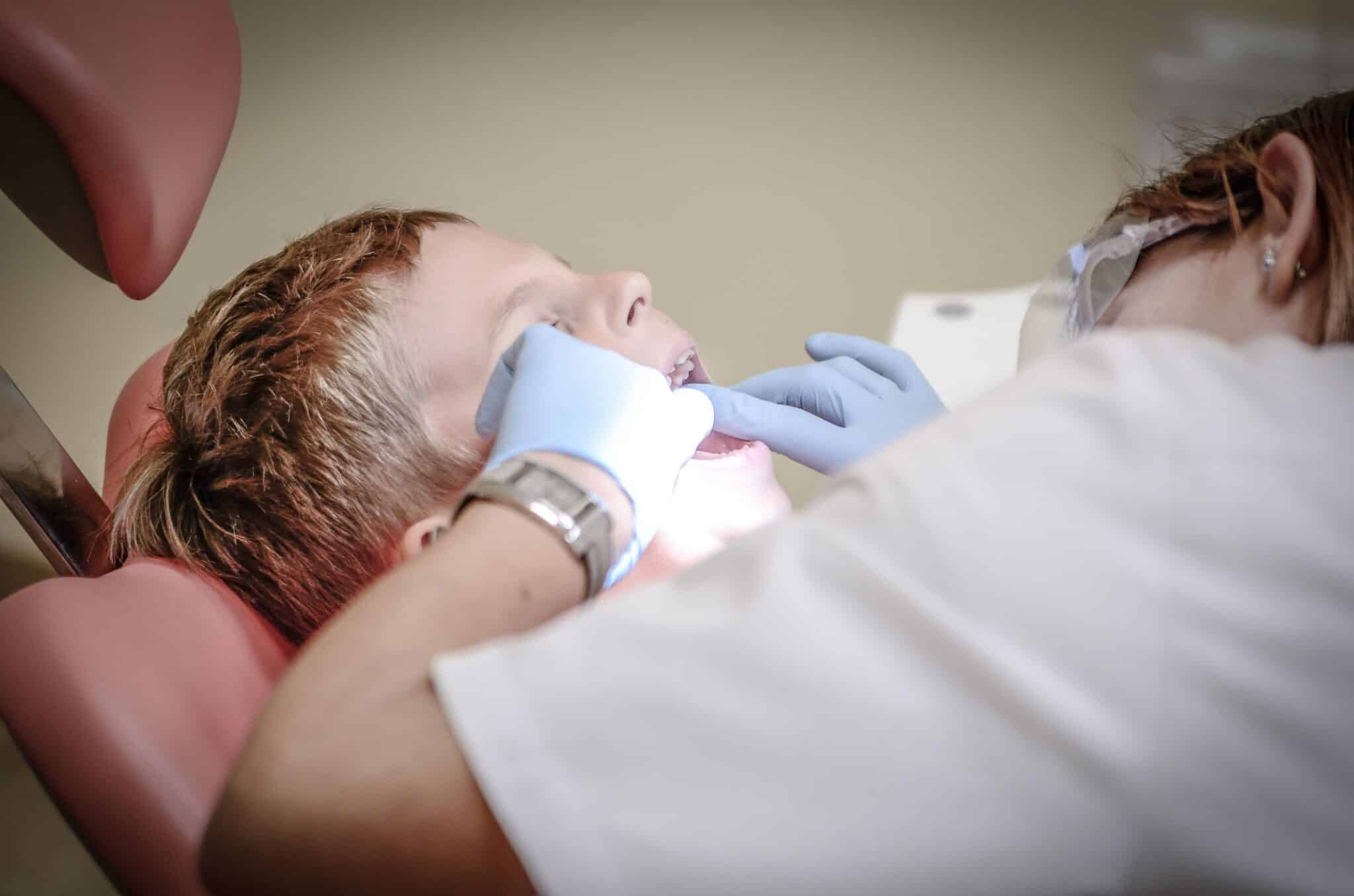
Thumb-sucking is one of the most common habits in young children. In fact, many babies start sucking their thumbs before they are even born. For infants and toddlers, thumb-sucking is usually completely normal. It helps children feel safe, calm, and comforted, especially when they are tired, anxious, or trying to fall asleep.
But... Should I be worried about my child sucking their thumb?
The answer depends on your child's age, how often they do it, and how intensely they suck their thumb. In many cases, there is no need to panic. However, if the habit continues for too long, it can begin affecting the development of the teeth, bite, and jaw.
The good news is that most children stop naturally. The key is knowing when to let it go and when it is time to step in.
So what SHOULD YOU DO if this happens?


Let's discover it!
Why Do Children Suck Their Thumbs?
Thumb-sucking is a natural reflex. Beyond nutrition, sucking also provides comfort and security. That is why many children suck their thumbs when they are:
- Tired
- Nervous
- Bored
- Upset
- Falling asleep
- Watching TV
- Adjusting to a new situation
This is important for parents to understand because thumb-sucking is usually not a behavioral problem. It is often simply a self-soothing habit.

At What Age Is Thumb-Sucking Normal?
For babies and toddlers, thumb-sucking is generally considered completely normal. Most children naturally stop between ages 2 and 4 without any intervention from parents.
During these early years, there is usually little risk of long-term dental problems because the permanent teeth have not started coming in yet.
This is why many pediatric dentists recommend observation rather than immediate intervention for younger children. Regular visits through pediatric dentistry allow your dentist to monitor your child's oral development and determine whether the habit is becoming a concern.
When Does Thumb-Sucking Become a Problem?
The concern is how long it continues. Once permanent teeth begin to emerge, persistent thumb-sucking can start influencing how the teeth and jaws develop. Many dental professionals begin paying closer attention if thumb-sucking continues beyond age 4 or 5.
Factors that increase concern include:
- Thumb-sucking after age 5
- Thumb-sucking throughout the day
- Aggressive or forceful sucking
- Visible changes in the bite
- Difficulty closing the front teeth together
This is one reason regular checkups and cleanings are so important during childhood. Your dentist can often identify early changes long before parents notice them.

How Thumb-Sucking Can Affect Teeth
Many parents are surprised to learn that prolonged thumb-sucking can actually change the position of teeth over time. When a thumb rests between the upper and lower teeth repeatedly, it creates pressure that may gradually move developing teeth.
Potential effects include:
Open Bite
An open bite occurs when the upper and lower front teeth do not touch when the mouth is closed. Children with open bites may have difficulty biting into foods such as sandwiches, pizza, or apples.
Protruding Front Teeth
The upper front teeth may begin to move forward. This can increase the risk of chipping or injury and may affect appearance.
Changes in Jaw Development
Long-term thumb-sucking can sometimes influence how the upper jaw develops, potentially creating alignment concerns later. If significant bite changes occur, treatment through orthodontics and clear aligners may eventually be recommended. The Family Smiles orthodontic services page explains that properly aligned teeth contribute to both appearance and overall oral function.
Should Parents Force Their Child to Stop?
Usually, no.
This is one of the biggest mistakes parents make.
Punishing, shaming, or constantly criticizing a child for thumb-sucking can create stress and anxiety, which may actually make the habit worse.
Remember:
Thumb-sucking is typically a comfort mechanism. If parents turn it into a battle, children may become more attached to the habit instead of less.
Instead, experts generally recommend:
- Positive reinforcement
- Gentle reminders
- Encouragement
- Patience
The goal is to help children stop willingly rather than forcing them.

5 Ways to Help Your Child Stop Thumb-Sucking
| Strategy | How to Do It | Why It Helps |
|---|---|---|
| Identify Triggers | Pay attention to when your child sucks their thumb, such as when they are tired, anxious, bored, or watching TV. | Understanding the trigger helps address the underlying reason for the habit. |
| Offer Alternatives | Provide comfort items such as stress balls, stuffed animals, blankets, or fidget toys. | These alternatives can help your child self-soothe without putting pressure on their teeth. |
| Use Positive Reinforcement | Use sticker charts, praise, or small rewards to encourage progress. | Positive motivation is often more effective than punishment and helps build confidence. |
| Create Small Goals | Set achievable milestones, such as one day, one week, or one month without thumb-sucking. | Breaking the process into smaller goals makes success feel manageable and motivating. |
| Talk to Your Dentist | Ask your dentist to explain how thumb-sucking can affect developing teeth and bite alignment. | Children sometimes respond better to advice from a trusted healthcare professional than from parents alone. |

Final Thoughts: Patience Is Important, But So Is Timing
Thumb-sucking is a normal part of childhood for many kids. For babies and toddlers, it is usually nothing to worry about.
However, if the habit continues as permanent teeth begin to appear, it can start affecting the way the teeth and jaws develop.
The good news is that most children stop naturally, and when concerns do arise, early guidance can make a big difference.
Have questions or ready to book your next visit?
Contact us today—we'll help you identify the cause and get your breath fresh again.