


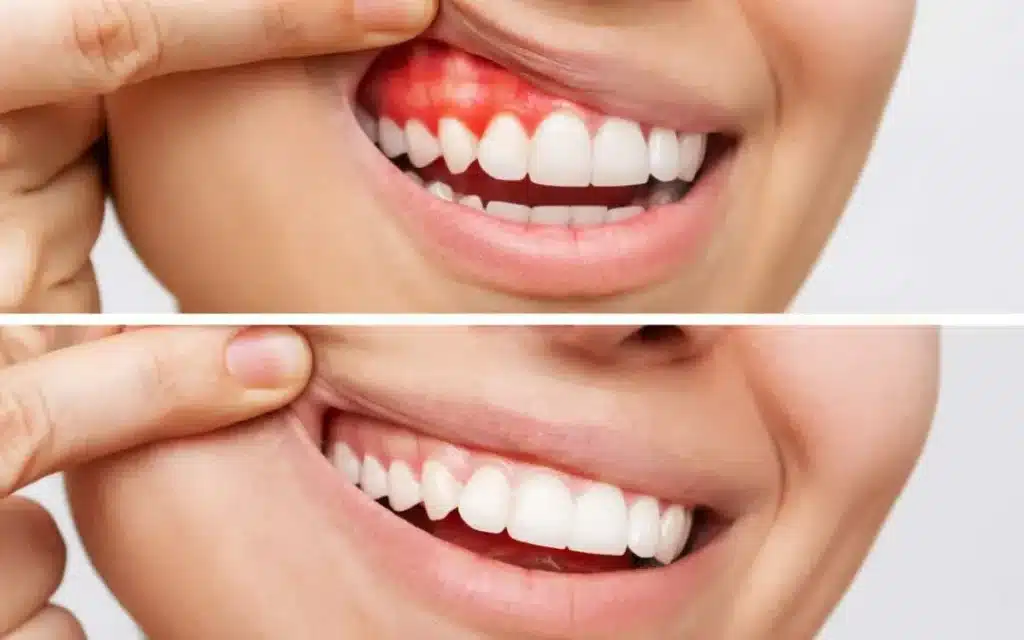
A little pink in the sink is not something to ignore. In many cases, bleeding gums are an early sign of inflammation caused by plaque buildup.
A lot of people stop flossing the moment they see blood. That feels logical, but it is usually the opposite of what your gums need. Most of the time, bleeding happens because bacteria and plaque have been sitting around the gumline and between the teeth, irritating the tissue day after day.
We are going straight to the point, no jargon, just clear answers. Here are the most common reasons your gums bleed
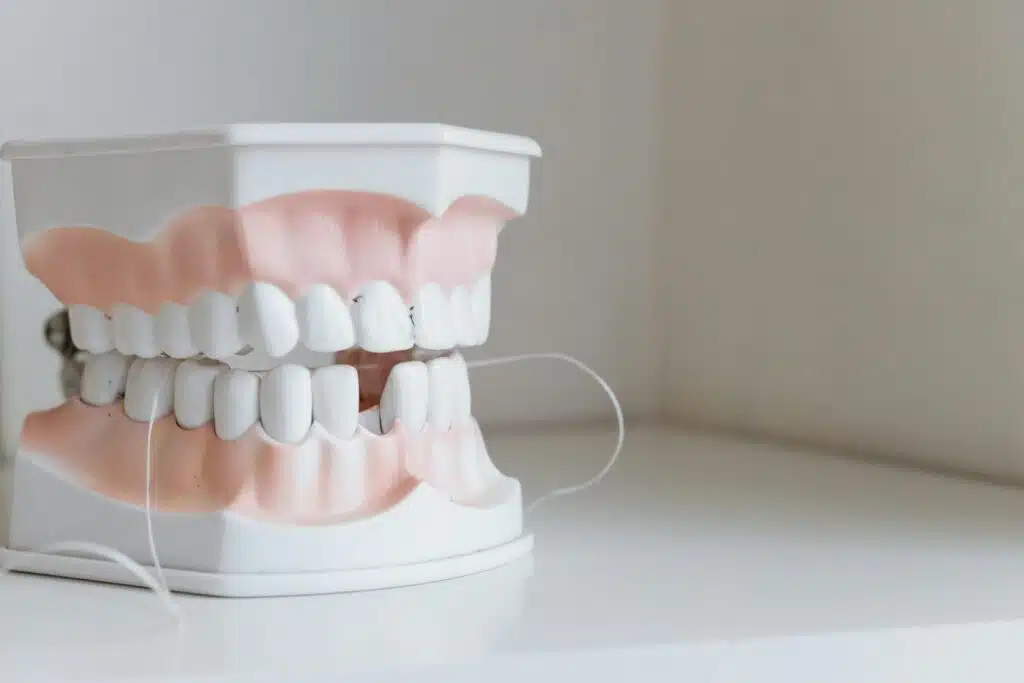

Let's discover it!
1. The Most Common Cause: Plaque Buildup
The number one reason gums bleed is simple: plaque.
Plaque is a sticky film of bacteria that forms on your teeth every day. If it is not removed thoroughly, it collects near the gumline and between teeth. Over time, your gums become irritated, swollen, and more likely to bleed during brushing or flossing.
Regular checkups and cleanings are one of the best ways to catch and reverse this early.
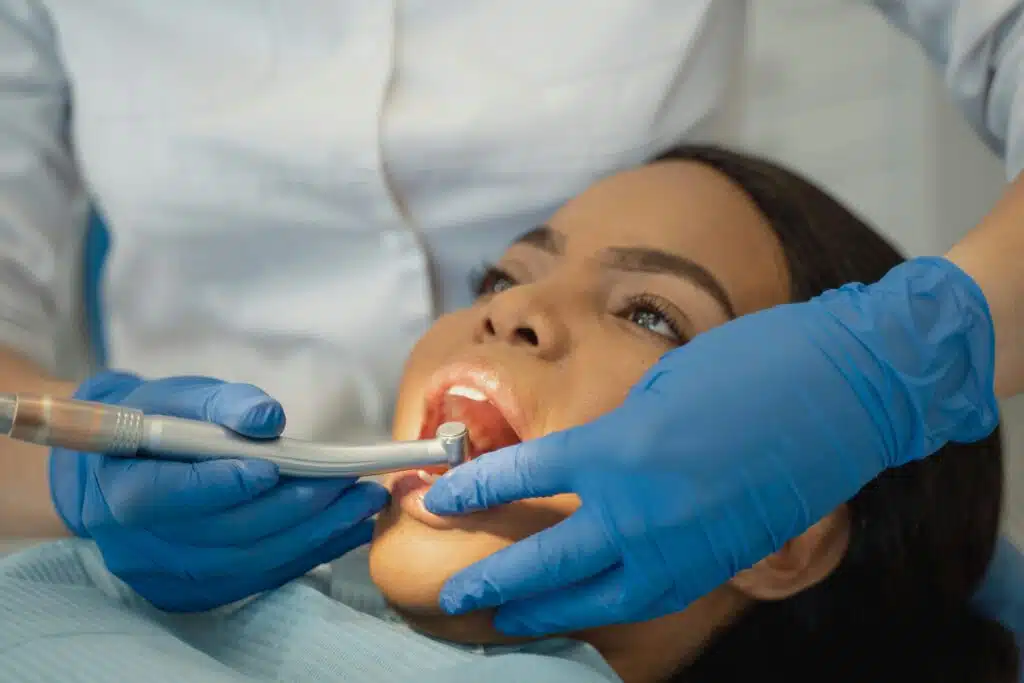
If plaque stays in place too long, it hardens into tartar. Once tartar forms, you cannot brush it off at home. That is where professional cleanings come in. A routine preventative dentistry visit helps remove that hardened buildup and gives your gums a chance to heal.
2. You Might Not Be Flossing Enough
REMEMBER: Your toothbrush cannot reach the tight spaces between teeth very well.
If food and bacteria stay there, the gums become inflamed and start bleeding when floss finally reaches them.
This is why so many people say, “My gums bleed every time I floss,” when the real issue is often that they do not floss consistently enough.
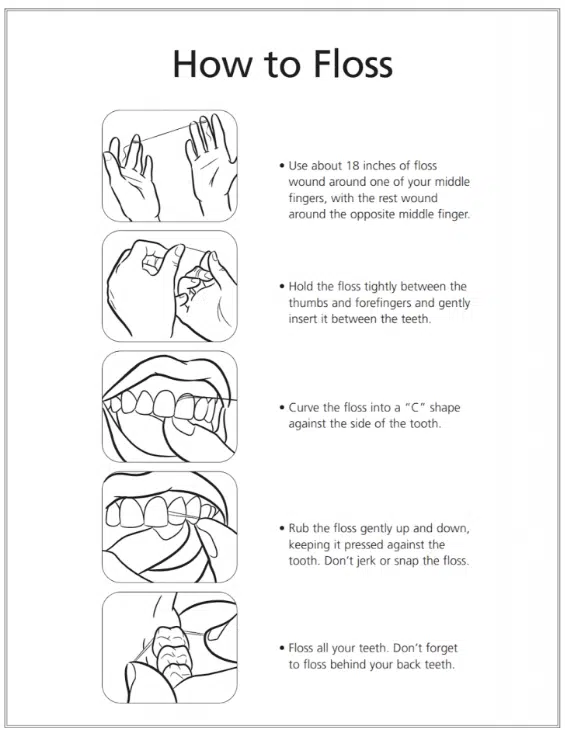
SOLUTION: If this sounds like you, do not panic. In many cases, if you floss gently but consistently once a day, the bleeding starts improving within about a week or two. The key is to be gentle but thorough. Slide the floss under the gumline, curve it around each tooth in a “C” shape, and clean both sides of the space.
If you are not sure whether your technique is right, that is something your hygienist can show you during preventive care.
3. You Could Be Brushing Too Hard
Bleeding gums are not always about not cleaning enough. Sometimes, it is about brushing too aggressively.
A lot of people think scrubbing harder means cleaner teeth. It does not. Harsh brushing can irritate the gums, wear away enamel, and even cause gum recession over time. If you use a hard-bristled brush or scrub back and forth fast, your gums may bleed simply because they are being traumatized every day.
What to do instead:
- Use a soft-bristled toothbrush
- Hold it gently, not with a tight fist
- Brush with small circular motions
- Angle the bristles toward the gumline instead of attacking the gums directly
If your gums are sore, swollen, or starting to pull back, it is smart to mention it at your next checkup and cleaning.

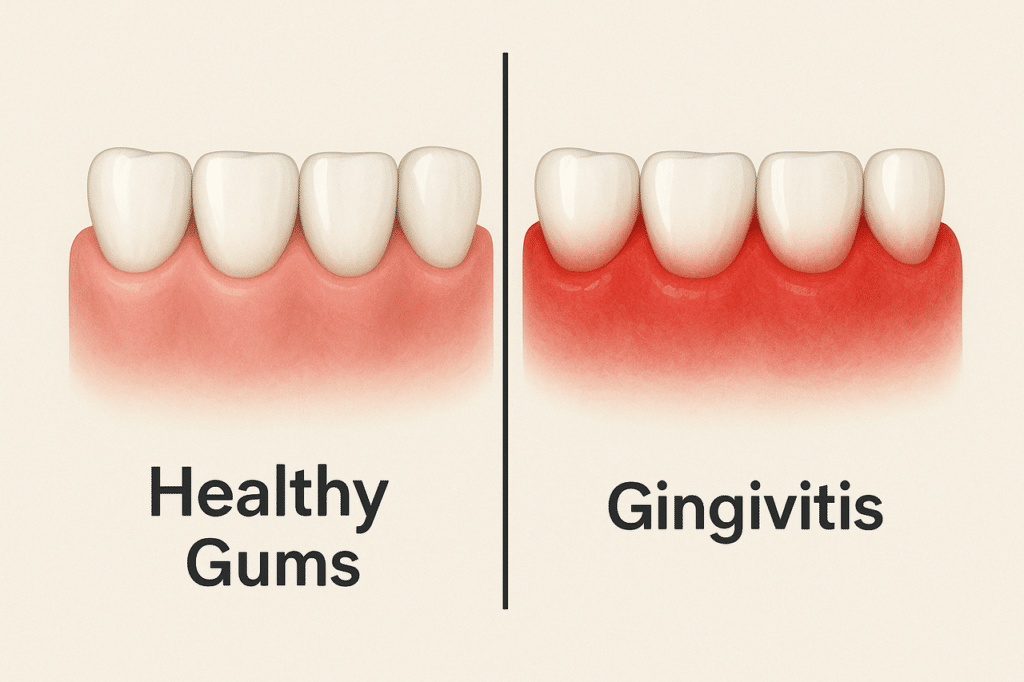
4. Gingivitis Can Turn Into Bigger Problems
Bleeding gums are often the first warning sign of gingivitis. If gingivitis is ignored, it can progress into more serious gum disease. At that point, the inflammation can start affecting the bone and support around the teeth, not just the soft tissue.
That means what started as “a little bleeding” can eventually turn into:
- chronic bad breath
- gum recession
- loose teeth
- discomfort when chewing
- deeper cleanings or more involved treatment
That is exactly why you should not shrug this off. If your gums bleed regularly, this is your sign to do something now. Early treatment is easier, faster, and much less expensive than waiting until there is real damage. Regular exams and preventative dentistry are designed to stop problems at this early stage.
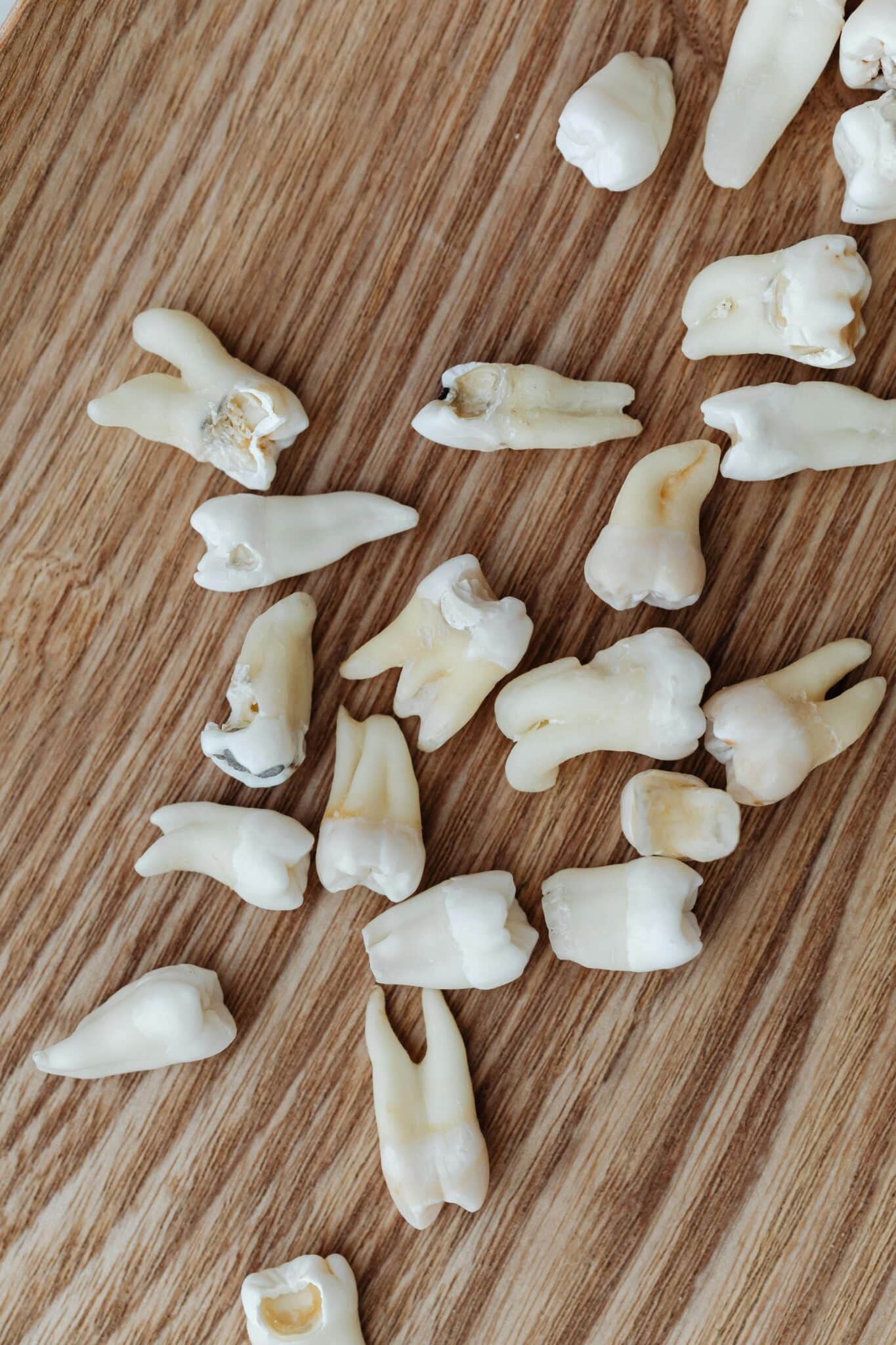
5. Crooked Teeth Can Make Gums Bleed More Easily
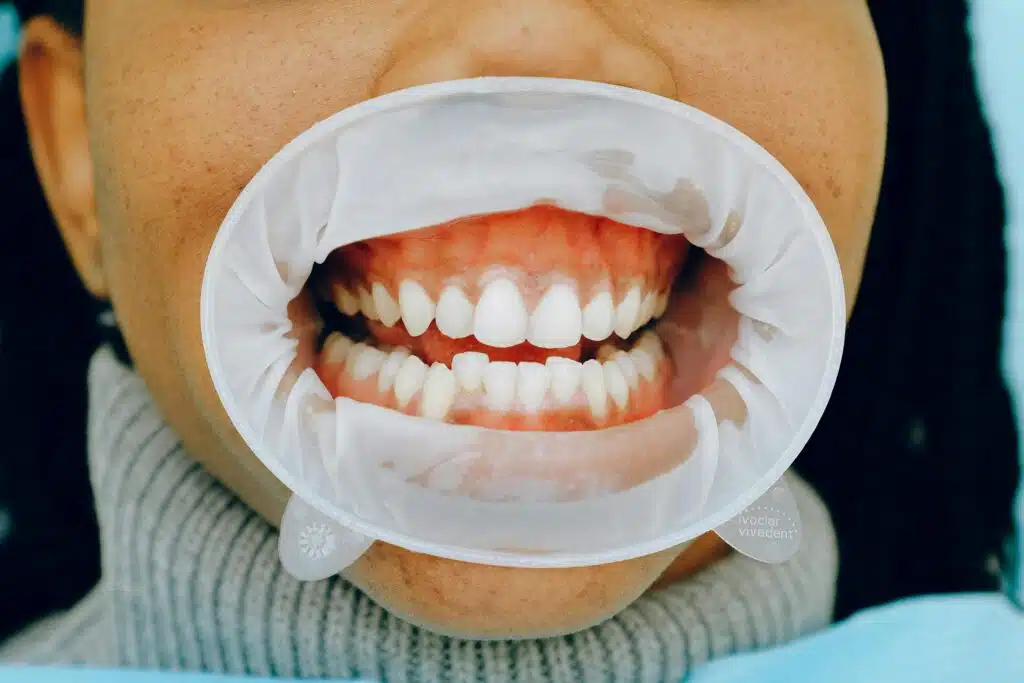
If your teeth are crowded or overlapping, certain areas may be harder to clean. That means plaque builds up faster, especially near the gums and between teeth. Even people with good brushing habits can struggle if the alignment makes access difficult.
That is one reason why straighter teeth are often easier to keep healthy. If your bleeding seems to happen in the same tight areas over and over, an evaluation for orthodontics and clear aligners may be worth discussing.
This does not mean everyone with bleeding gums needs orthodontic treatment. It just means the physical shape and spacing of your teeth may be part of the problem.
6. What You Should Do at Home Starting Today
If your gums bleed, here is the plan:
Brush twice a day
Use a soft brush and fluoride toothpaste. Be gentle but thorough. Do not avoid the gumline.
Floss once a day
Yes, even if it bleeds. In many cases, consistent flossing helps the bleeding improve because it removes the plaque causing the irritation.
Rinse with water after meals
This helps reduce food particles and acid buildup.
Watch for patterns
Is it one tooth? The whole mouth? Only the back teeth? Does it happen only when flossing? Patterns help your dentist find the cause faster.
Keep your cleaning appointment
A professional cleaning may be the missing piece. Once tartar is removed, your gums can finally start healing. Make time for checkups and cleanings if you are overdue.
When You Should Call a Dentist Right Away
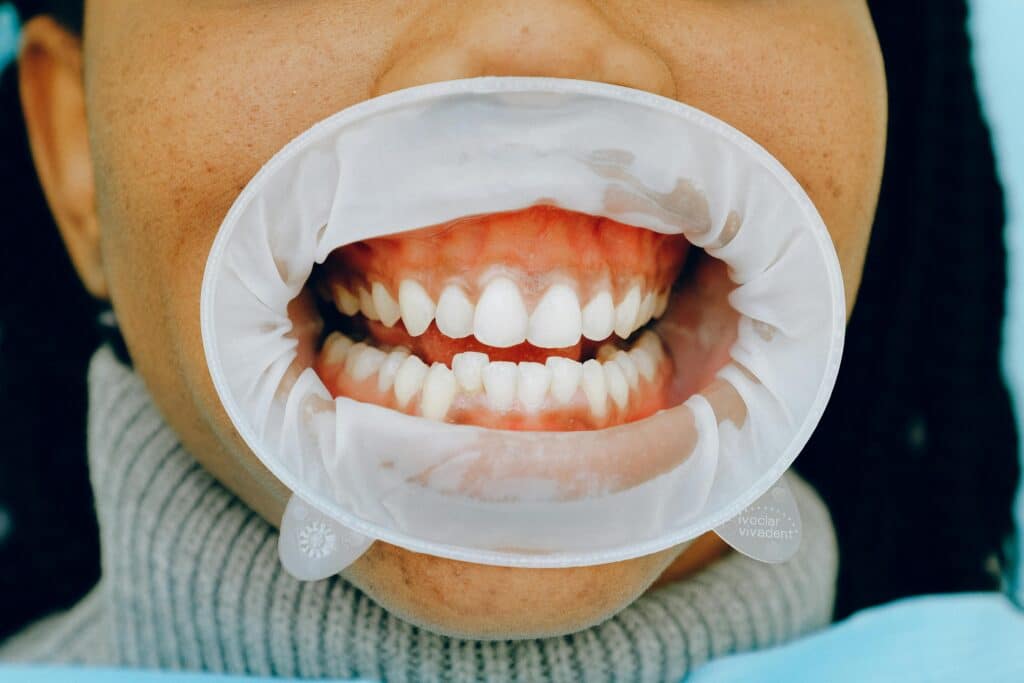
Some bleeding can improve with better home care. But some signs mean you should stop waiting and book an appointment now.
Call a dentist if:
- your gums bleed every day for more than a week
- you notice swelling, tenderness, or pus
- your breath stays bad no matter how much you clean
- one area keeps bleeding and trapping food
- your gums look like they are pulling away from the teeth
- brushing or flossing hurts more and more instead of less
In those cases, you need an exam, not guesswork. Have questions or need to schedule? Contact us for an appointment.
How to Keep It from Coming Back?
Once the bleeding improves, the goal is to keep your gums healthy for the long term.
Here is what works:
- stay consistent with brushing and flossing
- replace your toothbrush regularly
- drink enough water
- avoid going too long between professional cleanings
- fix rough fillings, food traps, or crowding that keep irritating the gums
If you have stains or want to improve the look of your smile once your gums are healthy, cosmetic improvements like teeth whitening can be explored later. But first, the focus should always be getting the gums healthy and stable.
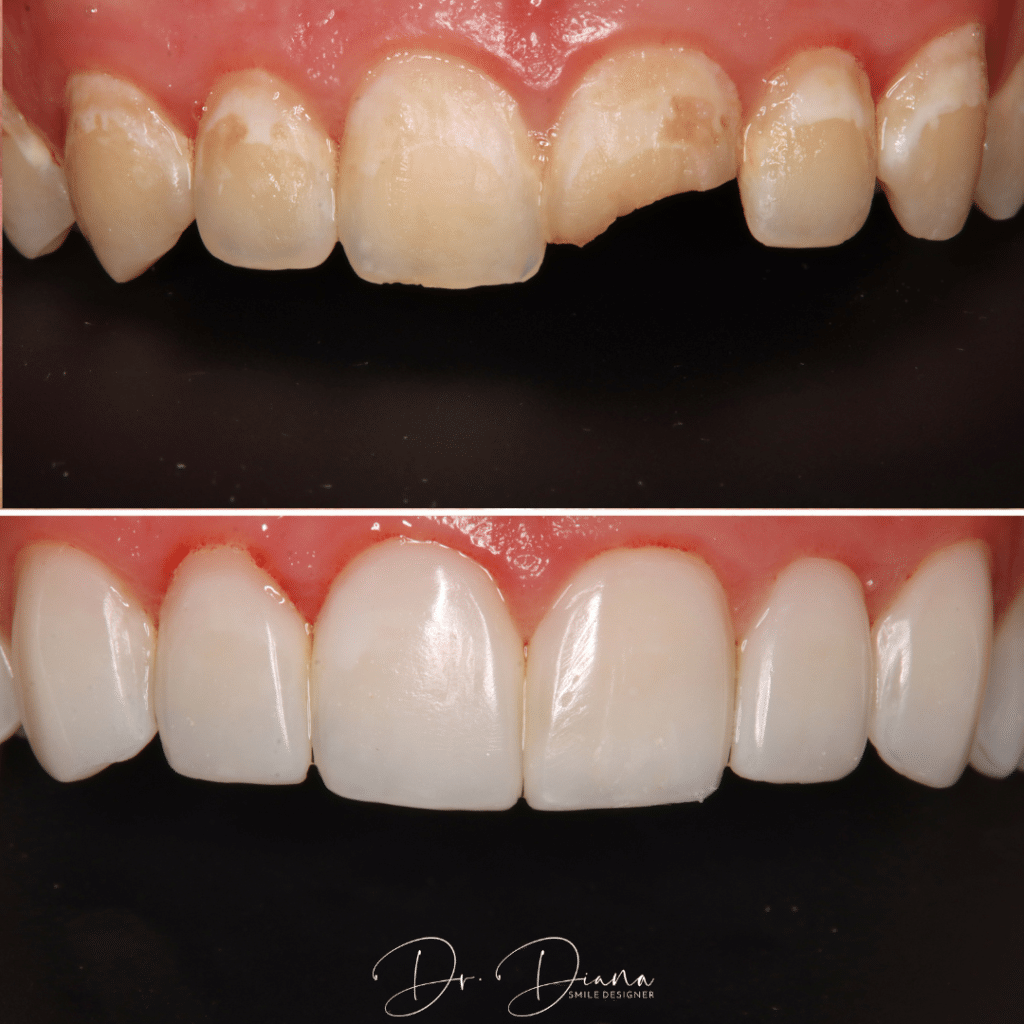
Whitening + Veneers Case Example
Bleeding Gums Are a Warning, Not Something to Ignore
If your gums bleed when you brush or floss, your mouth is asking for attention. Most of the time, the cause is plaque and inflammation, and that means the solution is often straightforward: better home care, better technique, and a professional cleaning at the right time.
Start with the basics, stay consistent, and if the bleeding keeps happening, get it checked before it turns into something bigger.
Have questions or ready to book your next visit?
Contact us today—and let’s get your gums healthy again.